


 Video
Video

Celebrating AAPI Heritage Month: Five Influential Ballet Dancers
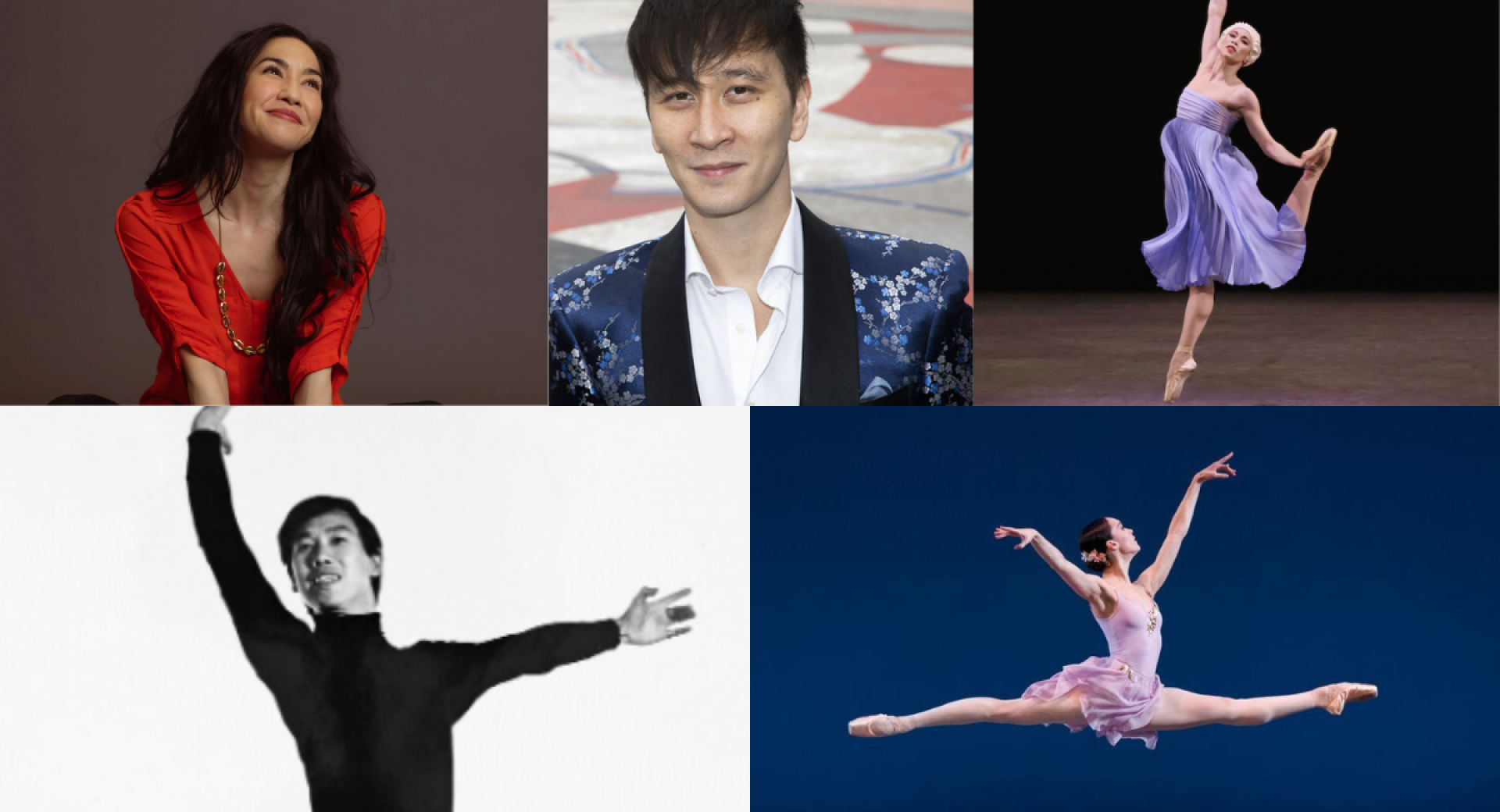
Asian American and Pacific Islander artists have played a vital role in shaping the future of ballet through innovation, advocacy, and artistry. In honor of AAPI Heritage Month, Milwaukee Ballet recognizes five influential dancers and leaders whose contributions continue to expand representation and redefine excellence in ballet.
Elizabeth Mochizuki: Advancing Asian American Representation in Ballet
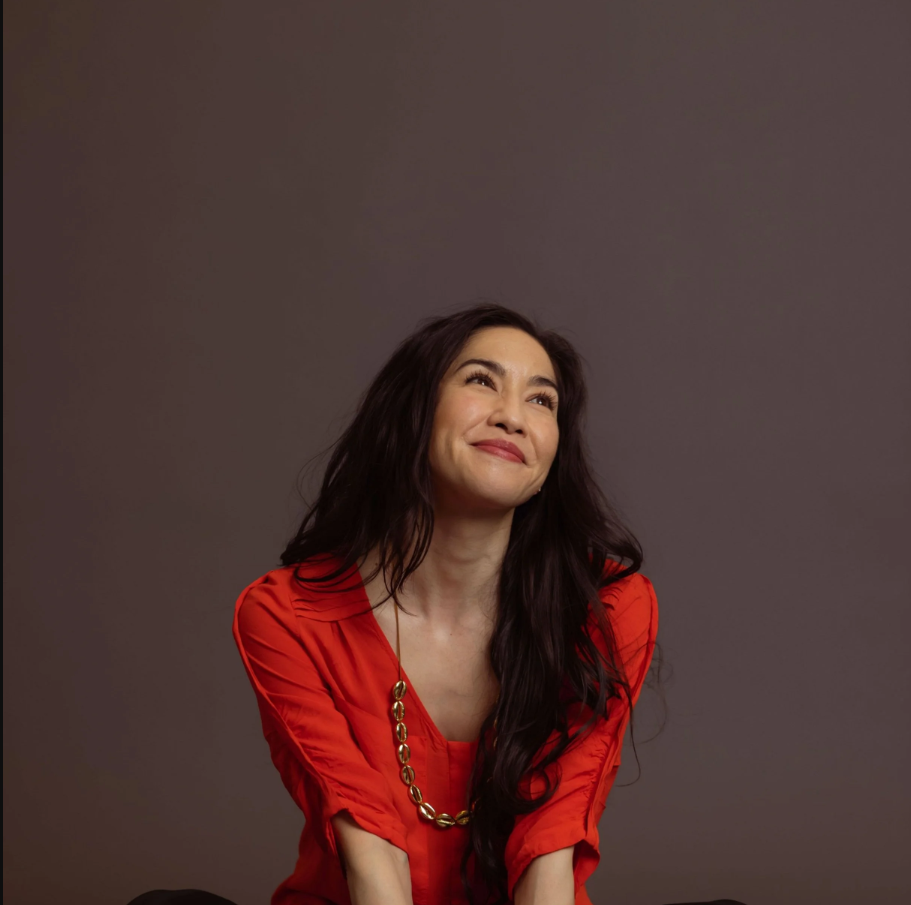
Photo courtesy of Olivia Moon Photography.
Elizabeth, a biracial Asian American with Japanese and European heritage, grew up in Clovis, California, and began her ballet training in nearby Fresno under Diane Mosier, a former member of the New England Civic Ballet.
After finishing high school, she earned an apprenticeship with Festival Ballet of Rhode Island (now Ballet RI) while pursuing her studies at Tufts University. She later chose to focus on academics, performing in campus productions and with the Ballet Theatre of Boston. She graduated in 2003 with a Bachelor of Arts in American Studies, concentrating on Performance and Representation, earning top honors for her thesis on the experiences of Asian Americans in ballet, as well as the Ted Shapiro Prize.
Over the next several years, Elizabeth built a career as a freelance dancer across New England, performing leading roles in classics like Cinderella, Nutcracker, Pas de Quatre, and Sylvia. Returning to Ballet RI in 2012, she remained there until retiring in 2019, dancing an extensive repertoire from Balanchine to Wheeldon, and originating roles in new works. Elizabeth has been an active teacher and mentor, leading programs like the Asian American Ballet Project.
Her advocacy and artistry have been recognized through presentations, panels, and features. She continues to influence the dance community to this day.
Phil Chan: Co-Founder of Final Bow for Yellowface
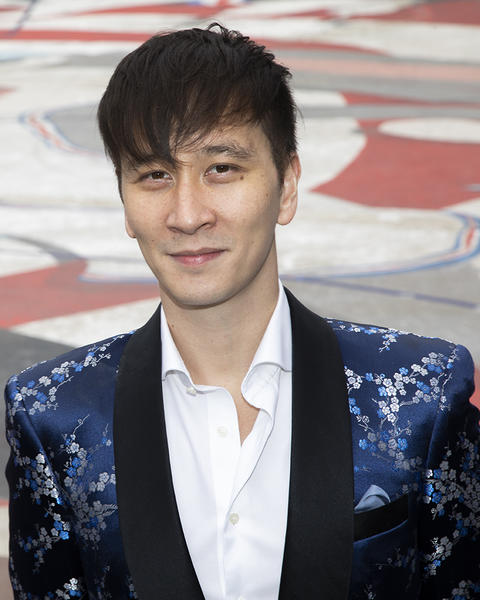
Photo courtesy of Yellowface.
Phil Chan is a prominent figure in the arts world. His experience as co-founder of Final Bow for Yellowface, author of Final Bow for Yellowface: Dancing between Intention and Impact, and President of the Gold Standard Arts Foundation. Chan has played an active role in shaping the dance field through his service on panels for the National Endowment for the Arts and the Jadin Wong Award, which is presented by the Asian American Arts Alliance. His recent choreography project, Ballet des Porcelaines, premiered at the Metropolitan Museum of Art in December 2021 and toured throughout 2022.
Recognized for his leadership and impact, Chan was recently named a Next 50 Arts Leader by the Kennedy Center. Through his choreography, writing, and leadership, Chan continues to push the field forward, inspiring meaningful dialogue and encouraging institutions to evolve. His work stands as a powerful example of how artists can shape culture, influence change, and leave a lasting imprint on the future of dance.
Georgina Pazcoguin: First Asian American Soloist in NYCB
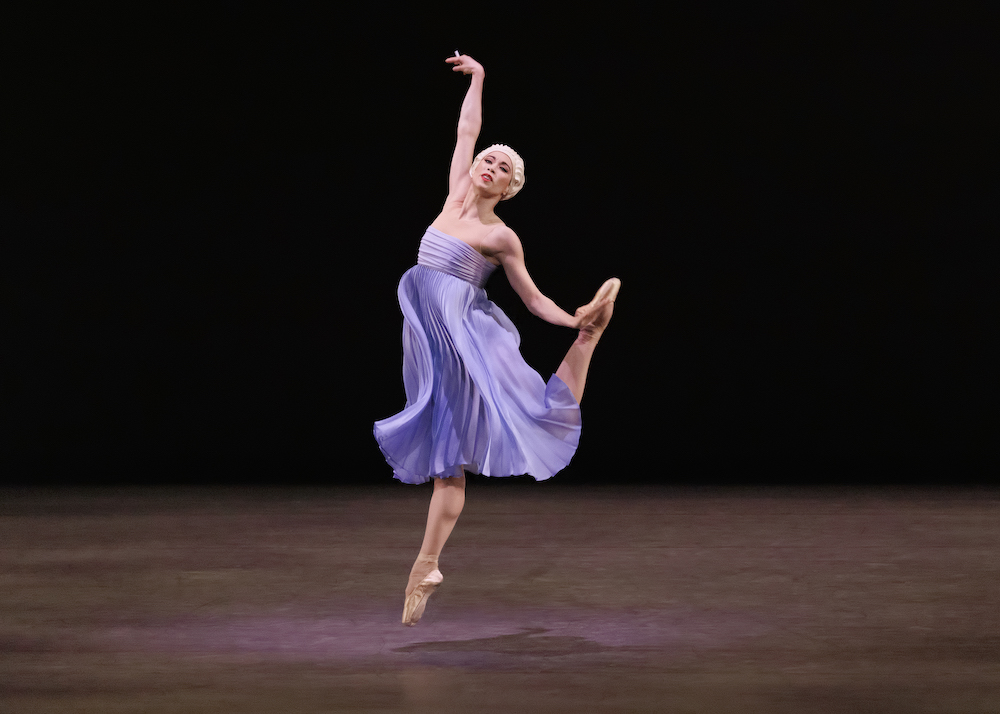
Photo courtesy of Erin Baiano.
Georgina Pazcoguin, a Filipino American born in Pennsylvania, moved to New York City to pursue her ballet training at the School of American Ballet. After just ten years with New York City Ballet, she made history as the company’s first Asian American female soloist. Throughout her career, Pazcoguin has earned numerous accolades and appeared in a range of notable productions, including the film NY EXPORT: OPUS JAZZ and the role of Victoria, the White Cat, in the 2016 Broadway revival of Cats, choreographed by Andy Blankenbuehler.
Among her many accomplishments, Pazcoguin is also a co-founder of Final Bow for Yellowface. Inspired by progress at New York City Ballet in 2017, the initiative was created to address why outdated portrayals of Asians persisted in productions like The Nutcracker across the United States. Recognizing that these conversations were already taking place in communities of all sizes, the goal was to unify and amplify the dialogue.
George R. Lee: New York City Ballet First Asian Performer
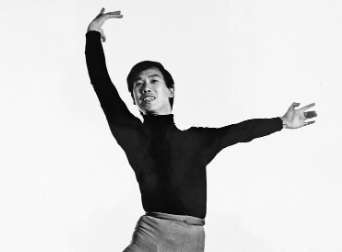
Photo Courtesy of New Edge Times.
Born in Hong Kong, Lee was introduced to ballet at an early age by his mother, Stanislawa, who was a Polish ballet dancer and trained him in the Russian method. At around six, he moved with his family to Shanghai, where he began performing professionally. In 1949, Lee and his mother fled the turmoil in China and spent two years in a United Nations refugee camp in Tubabao. In 1951, they both arrived in America, where his extraordinary talent led to a full scholarship to the School of American Ballet. Lee made his mark performing in George Balanchine’s The Nutcracker, dancing the Chinese Tea segment, and later appeared in Gene Kelly’s production of Rodgers and Hammerstein’s Flower Drum Song in 1958.
Lee’s pioneering legacy and life story were highlighted in Jennifer Lin’s 2024 documentary, Ten Times Better, a title inspired by his mother’s advice to him upon arriving in the United States. The film premiered at Lincoln Center’s Dance on Camera Festival, celebrating Lee’s remarkable journey as both a dancer and a trailblazer for Asian artists in American ballet.
As the first Asian dancer in the New York City Ballet helped open doors within an institution that had long lacked such visibility, while his journey from refugee camps to major American stages underscored the depth of his determination. His story continues to resonate through later recognition and documentary films, inspiring others.
Mira Nadon: First Asian American Woman Dancer—New York City Ballet
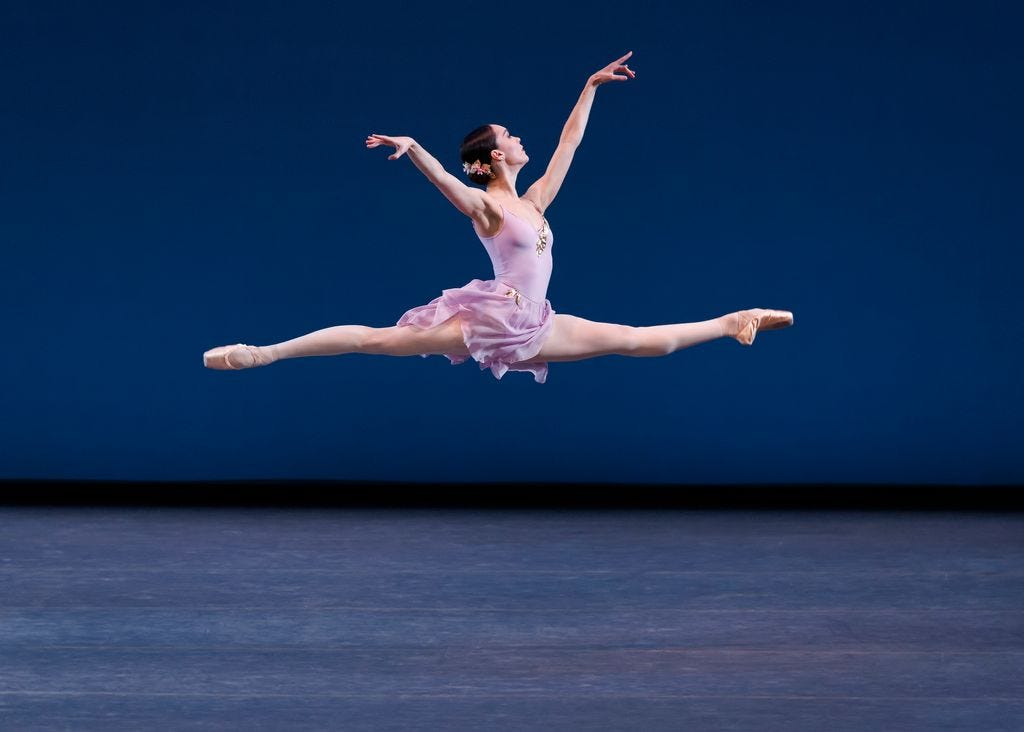
Photo Courtesy of Erin Baiano.
Mira Nadon made history in February 2023 when she became the first Asian American woman promoted to principal dancer at the New York City Ballet (NYCB).
Her journey began in Montclair, California, at the Inland Pacific Ballet Academy when she was just 12 years old. She discovered the works of George Balanchine during a summer intensive and soon attended the School of American Ballet (SAB). She performed a lead role in Balanchine's Scotch Symphony at SAB’s annual workshop, where she demonstrated remarkable talent early in her training.
Nadon joined NYCB as an apprentice at 16 and became a member of the corps de ballet in 2018. By 18, she was performing major roles, including the Tall Girl in Balanchine’s Rubies from Jewels, and earned critical acclaim from The New York Times as “a promise to the future,” which was one of the season’s standout performances. And at 21, she reached the pinnacle of her field as NYCB’s principal dancer, making her status as a trailblazer in American ballet.
Mira Nadon stands as a milestone not only in her own career but also in the company’s history, underscoring her role in shaping a more inclusive vision of who defines excellence in ballet today.
Honoring AAPI Ballet Dancers
As we celebrate AAPI Heritage Month, we honor the artists and leaders who continue to shape ballet through creativity, resilience, and representation. Their contributions have expanded opportunities for future generations and strengthened the art form as a whole. At Milwaukee Ballet, we are proud to honor and celebrate AAPI voices and achievements.