


 Video
Video

.png?resize=1920x0&crop=1920x1040)
Women in Ballet History: Five Leaders Who Shaped the Art Form
Women have played a defining role in shaping the history of ballet both on stage and behind the scenes. From founding major companies to redefining choreography and expanding access to dance, female leaders have helped transform ballet into the art form we know today.
This Women’s History Month, Milwaukee Ballet celebrates five influential women in ballet history whose impact continues to inspire generations of dancers and audiences alike.
Roberta Boorse: Founder of Milwaukee Ballet and Cultural Visionary
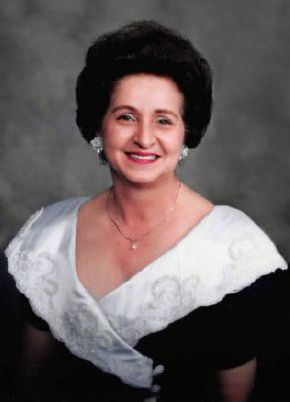
Photo courtesy of Roberta Boorse.
Roberta Boorse was a businesswoman, choreographer, dance instructor, director, and the founder of Milwaukee Ballet. Her legacy is one full of passion, determination, and love for her Milwaukee community, all of which shaped our company into what it is today.
Born in 1932, Boorse had an inherent talent for both ballet and business. After studying at the Stone-Camryn School of Chicago, Boorse opened her first dance school located in West Allis, Wisconsin at the age of 20. Her dream was to someday bring a professional ballet company to Milwaukee, where she set to work immediately.
By the late 1960s, Boorse raised $800 from a dance recital and went out to create Milwaukee Ballet. Through persistence and ingenuity, including famously camping outside a New York theater to recruit talent, she launched the company's inaugural performance in 1970, starring Ted Kivitt, principal dancer for the American Ballet Theatre.
Throughout the years, Boorse continued to run her dance school, direct Milwaukee Ballet, and raise four children. She dedicated everything she had to the success of the company through a lean budget, passion for ballet, and a keen sense of business strategy.
Her mission of advancing ballet in Milwaukee lives on, even after her passing in 2016. Her years of work and leadership set up Milwaukee Ballet for its 55 years of imaginative shows, spectacular dancers, and working as a cornerstone for the city’s artistic community.
Maria Tallchief: America's First Prima Ballerina
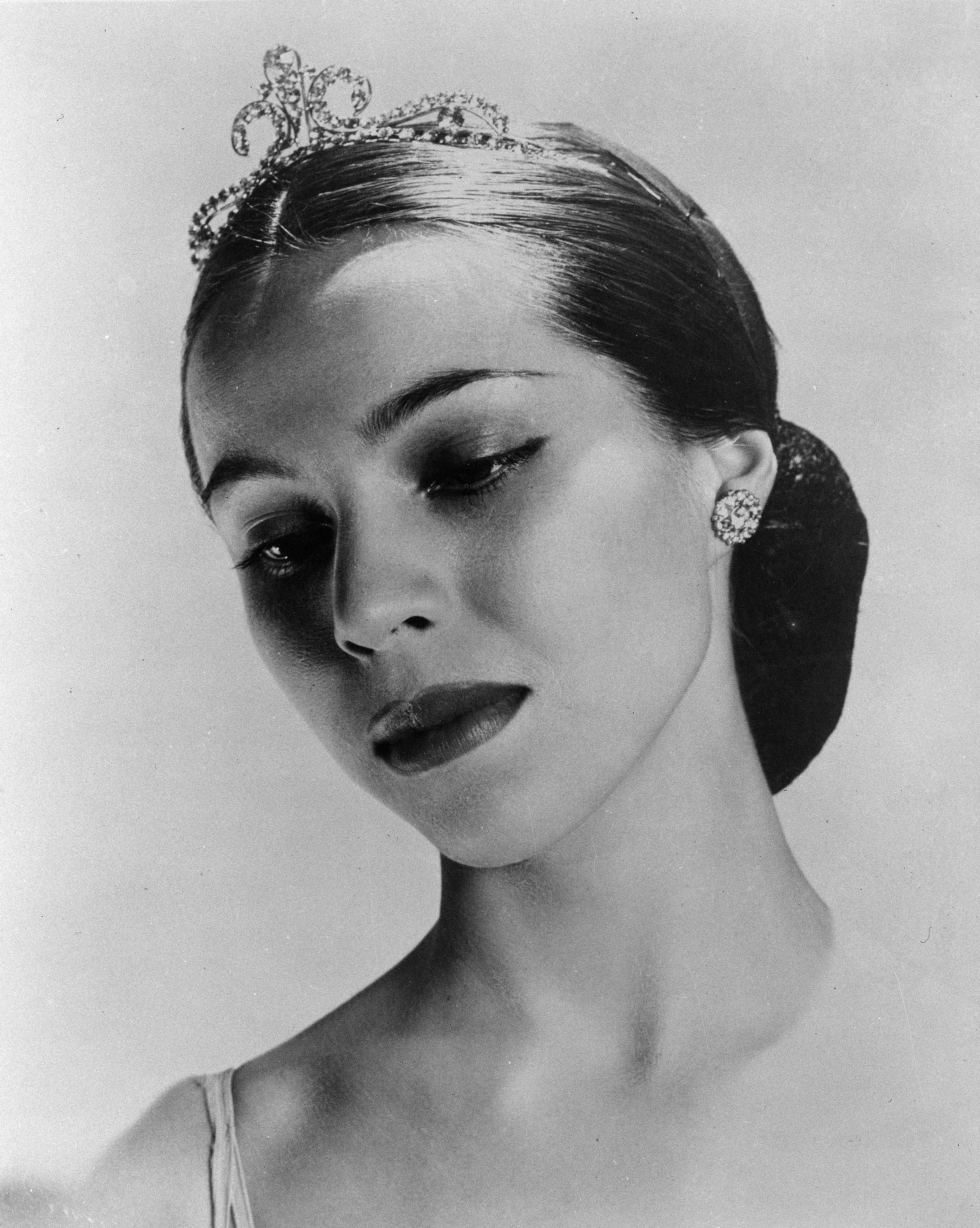
Photo courtesy of Associated Press.
Maria Tallchief is widely recognized as one of the most influential figures in American ballet. As a member of the Osage Nation, she also broke barriers as the first Native American prima ballerina to achieve international acclaim.
Born in Oklahoma in 1925, Tallchief trained rigorously from a young age and rose quickly through the ranks of Ballet Russe de Monte Carlo. Her career took a defining turn when she began working with George Balanchine, later becoming the first prima ballerina of New York City Ballet.
Tallchief originated iconic roles, including The Firebird and the Sugar Plum Fairy in The Nutcracker, helping define American ballet on the global stage. After retiring, she continued shaping the art form through teaching and leadership in Chicago. In 1996, Tallchief received a Kennedy Center Honor for her lifetime achievements.
Her legacy remains a powerful example of artistic excellence and cultural representation in ballet.
Dorothy Alexander: Pioneer of Regional Ballet Companies
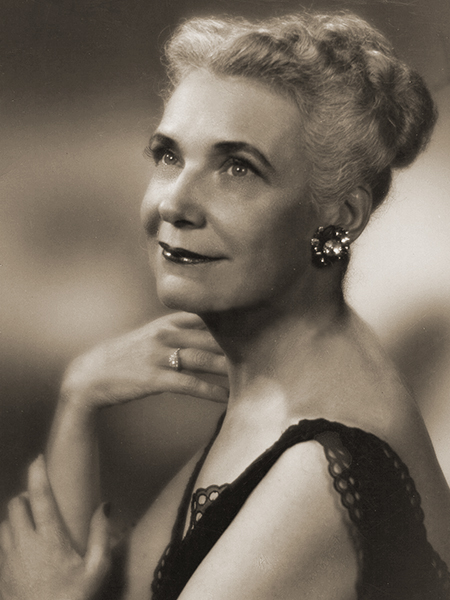
Photo courtesy of Atlanta Ballet.
Dorothy Alexander may best be remembered as the first-ever female founder of a ballet company: Atlanta Ballet. As one of the oldest surviving ballet companies in America, her legacy paved the way for future companies to form nationwide and for women to lead them.
Born in 1904, Dorothy Alexander began studying dance at a young age to build strength after a battle with illness. At the age of 17, she opened La Petite École de Dance, which still exists today as the Atlanta School of Ballet. With growing demand in the city, Alexander founded the Dorothy Alexander Concert Group in 1929— renamed today as the Atlanta Ballet. This was one of the first regional ballet companies formed in the country.
Alexander’s influence extended beyond performance—she helped create national frameworks for regional dance development, ensuring ballet could thrive in communities across America.
Tina Ramirez: Champion of Cultural Representation in Dance
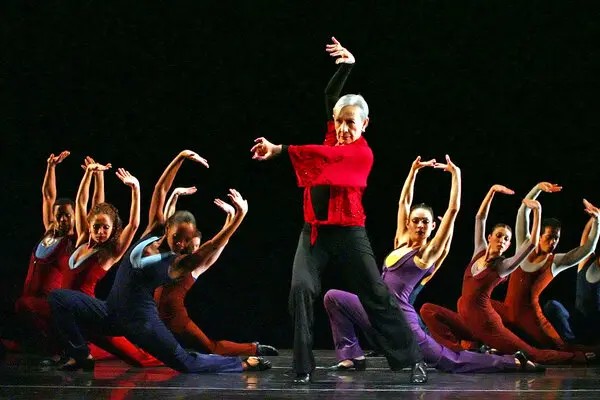
Photo courtesy of The New York Times.
Tina Ramirez was an American dancer, educator, choreographer, artistic director, and founder of Ballet Hispanico. Ramirez’s influence in dance education accessibility and Latin dance have set a gold standard for many ballet companies around the world.
Born in 1929 in Venezuela and raised in New York City, Ramirez trained in classical ballet, modern dance, and ethnic dance. She saw an opportunity to break down barriers between these styles while expanding access to dance education. After her education, Ramirez would tour with the Federico Rey Dance Company, the Xavier Cugat Orchestra, and even choreograph with Bob Fosse on Broadway.
In 1967, Ramirez created a new intensive training program for young students called Operation High Hopes, which helped provide dance training scholarships for the New York Latino community. In 1970, she founded Ballet Hispánico, creating a space where Latino culture and dance could be celebrated and elevated. Through education programs and performance, she opened doors for generations of dancers.
E. Virginia Williams: Founder of Boston Ballet and Advocate for Women
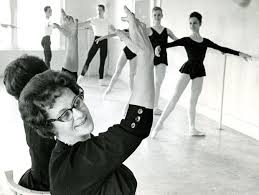
Photo courtesy of The Boston Globe.
Ellen (E.) Virginia Williams is best known as an inspiring instructor, an advocate for women in ballet, and the founder of Boston Ballet. Initiatives today still honor Williams’ dedication and representation for women in dance.
Born in 1914, Williams began teaching at a young age and quickly demonstrated a passion for developing future dancers. She later founded the New England Civic Ballet, which evolved into Boston Ballet in 1963 with support from George Balanchine and the Ford Foundation. This became the first professional ballet company in New England.
Williams was deeply committed to ensuring dancers could build careers without leaving their communities. Her leadership extended beyond the studio—she choreographed, managed productions, and even handled operations to ensure the company’s success.
In her honor, Boston Ballet now regularly presents the ChoreograpHER Initiative, an investment that seeks to address the historical underrepresentation of female leadership in ballet. Through this initiative and dedication to the art, Williams’ contributions continue to be at the forefront of female empowerment in directing and teaching.
Honoring Women Who Continue to Shape Ballet
These five women represent a few of the many female pioneers who have shaped ballet history. Through leadership, creativity, and resilience, they expanded opportunities for dancers and brought ballet to new audiences and communities.
At Milwaukee Ballet, we are proud to carry forward their legacy. We continue to elevate diverse voices, foster creativity, and expand access to dance in our community.
This Women’s History Month, we celebrate the women who have transformed ballet and those who continue to shape its future.